Thick Discolored Toenails: Causes and Care
Why are toenails thick and discolored?
Thick discolored toenails usually come from one of five causes: fungal infection, repeated trauma, psoriasis, ordinary aging, or poor circulation. Color and texture alone rarely show which one it is, and more than one can overlap. Once you know the cause, thin the nail and care for it daily, since change takes months.
- Not every yellow, crumbly nail is fungal — trauma and psoriasis look almost identical.
- A thick nail blocks topical products, so filing and soaking come before anything you apply.
- KlaroNail is a cosmetic nail-and-cuticle spray with undecylenic acid, not a fungus cure.
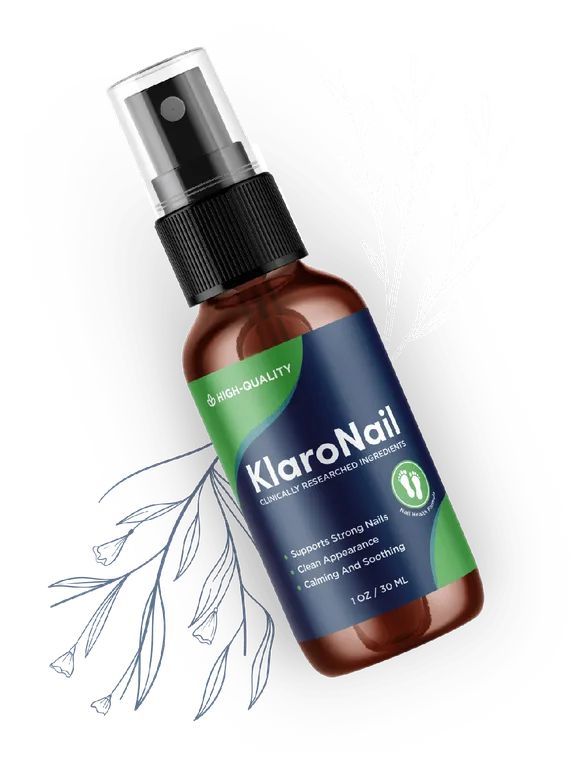
Almost everyone with a stubborn nail problem starts from the same wrong place: they decide it is fungus, buy the first thing they find, apply it for two weeks, and give up when nothing changes. The nail was never going to change in two weeks — and in a surprising number of cases, it was never fungus to begin with. If you want thick, discolored toenails to actually improve, the order of operations matters more than the product on the shelf. This article walks through why nails turn thick, yellow or crumbly, which fixes genuinely help, and where a cosmetic topical like KlaroNail honestly fits into the picture.
What causes thick discolored toenails?
There is no single answer, and that is the whole problem. The same thick, yellow, ridged nail can be produced by at least five different mechanisms, and the treatment that helps one does nothing for another. Here are the causes worth knowing, roughly in order of how often they turn up.
Fungal infection (onychomycosis). This is the most common single cause and the one everyone reaches for first. A dermatophyte fungus gets under the nail, feeds on the keratin, and the nail responds by thickening, discolouring to yellow-brown, and becoming crumbly and brittle at the free edge. Debris builds up underneath. It usually starts at one corner and spreads slowly across the nail over months. It is genuinely common — but "common" is not the same as "always," and that distinction saves people a lot of wasted effort.
Repeated trauma. Runners, hikers, footballers and anyone whose shoes are a touch too short get this constantly. The nail is bruised over and over by the toe box, and it responds by thickening (a change called onychauxis) and sometimes lifting from the bed. A single hard knock can also bleed under the nail — a subungual haematoma — which turns it purple-black and looks alarmingly like something worse. Trauma-thickened nails are frequently mistaken for fungus and treated for months with antifungals that were never going to work.
Psoriasis. Nail psoriasis produces pitting, oil-drop yellow-brown patches, thickening and separation of the nail from the bed. It can appear with or without skin psoriasis, and it mimics fungus closely enough that even clinicians confirm it with testing. This is exactly why we wrote a companion piece on Best Toenail Fungus Spray 2026: What to Actually Look For — the two are the most commonly confused nail conditions, and the fix for one is useless for the other.
Aging. Nails simply grow more slowly and thicken with age, and the colour dulls to yellow or grey. Growth rate can roughly halve across a lifetime, and slower growth means any damage or discolouration sticks around far longer before it grows out. A thickened nail on an eighty-year-old is often just eighty years of wear, not an infection.
Poor circulation. When less blood reaches the toes — because of peripheral arterial disease, diabetes, or simply cold hands and feet — nails grow slowly, thicken and lose their healthy pink. Circulation-related nail changes are a signal worth taking to a doctor rather than a pharmacy, because the nail is telling you something about the rest of the foot.

Not every discolored nail is fungal
This is the single most useful thing on the page, so it gets its own heading. Studies that actually test the nails of people who believe they have nail fungus repeatedly find that a large minority — often somewhere between a third and half — do not have a confirmed fungal infection when the nail is sampled. They have trauma, psoriasis, or one of the less common causes above. Yet those same nails have usually been treated as fungal for months.
The practical consequence is blunt: if you have not had it confirmed, you are guessing, and a wrong guess costs you the one thing nail problems demand most, which is time. A dermatophyte test or a nail clipping sent to a lab is cheap relative to a year of applying the wrong thing to the wrong problem. If money or access is a barrier, at least reason it through honestly — a nail that thickened right after a marathon, or a nail on someone with skin plaques elsewhere, deserves a different first suspect than fungus.
Why thick nails resist almost everything you put on them
Here is the mechanical fact that undoes most home treatment: a thick nail is a wall. Topical products — sprays, solutions, medicated lacquers — work by penetrating the nail plate to reach what is underneath. The thicker and denser the plate, the less gets through, and a badly thickened fungal nail can be several times its normal depth. You can apply the best topical in the world four times a day and have most of it sit uselessly on the surface.
That is why the genuinely effective step is not a product at all — it is reducing the thickness. Two things help before anything you apply:
- Soaking softens the plate. Ten minutes in warm water makes the keratin more pliable and much easier to file, and it lifts loose debris from underneath. It is not a treatment on its own, but it makes every later step work better.
- Filing and thinning open the door. Gently reducing the top of the nail with a dedicated file lowers the barrier a topical has to cross, removes discoloured surface layers, and relieves pressure inside the shoe. Podiatrists do a more thorough version of this with a drill; at home you do a modest, careful version with a board.
Do those two things first and any topical you use afterwards has a real chance of reaching where it needs to be. Skip them and you are essentially painting a brick.
A sensible at-home routine
If the cause is likely fungal or cosmetic and you want to work on it at home, the sequence is simple and it rewards patience over intensity:
- Soak the foot in warm water for about ten minutes to soften the nail.
- Dry thoroughly, especially between the toes — moisture trapped there is what fungus likes best.
- Thin the nail gently with a file kept only for that nail, working across the top rather than gouging underneath, and stopping well before you feel pressure.
- Trim straight across and file down thick free edges rather than cutting deep into the corners.
- Apply your chosen topical to the cleaned, thinned nail and the surrounding skin, and be consistent about it. Getting this last step right matters more than people think — we cover it in detail in our guide to applying a nail fungus spray correctly.
- Keep the tools separate and disinfect them, and rotate shoes so they dry out between wears.
Then wait. A toenail grows out over roughly nine to twelve months, so a healthy nail replacing a damaged one is a whole-year project no matter what you use. Anyone promising a visible fix in a fortnight is selling the fortnight, not the fix.
A daily spray for the routine above
KlaroNail is a cosmetic nail-and-cuticle spray with undecylenic acid, used up to four times a day on cleaned, thinned nails. See current official-store pricing and the 60-day guarantee.
Check Pricing At The Official StoreHow long before a thick, discolored nail looks better?
This is the expectation that trips everyone up, so it deserves a plain answer. A big toenail grows out over roughly nine to twelve months, and the nail you can see today cannot be repaired — it can only be replaced by new nail growing from the base. That means the honest measure of progress is not the discoloured tip but the strip of new growth near the cuticle. If that new strip is coming in clearer and flatter, whatever you are doing is working, even if the old damage is still marching slowly toward the end of the toe.
Two things follow. First, judge any routine on months, not weeks — a fortnight tells you nothing except whether you can stick to it. Second, thickness itself is worth managing the whole time, because a nail kept filed down is more comfortable in shoes, less likely to catch and tear, and far more receptive to anything you apply. Even on a nail that will never fully clear, regular thinning is a genuine quality-of-life win rather than a cure you are waiting on.
Where KlaroNail fits — and where it does not
We are an independent review site and we read the printed label before the sales page, so we will be precise about this. KlaroNail is a topical nail-and-cuticle spray whose first-listed ingredient, printed at 5%, is undecylenic acid — a castor-derived fatty acid with a long history in over-the-counter nail-care products. If you want the chemistry, our deep dive on undecylenic acid at 5% and what it actually is covers it. As part of the soak-file-apply routine above, on a nail you have already thinned, a tidy spray applied consistently is a reasonable supportive step for the appearance and upkeep of the nail.
What it is not: KlaroNail is a cosmetic, not a medicine. Its label carries no Drug Facts panel, it is not FDA-approved, and it is not a treatment or cure for onychomycosis or any other condition. If your nail is confirmed fungal and moderate-to-severe, the evidence-backed options are prescription oral or topical antifungals from a clinician — not any cosmetic spray. We would rather you knew that up front than discover it after a wasted year. A supportive topical earns its place on early, mild, cosmetic cases and as daily upkeep; it does not replace a diagnosis or a real antifungal when one is needed.
When to stop guessing and see a professional
Some presentations should skip the home routine entirely and go straight to a clinician. See a podiatrist or doctor if:
- A single nail develops a dark brown or black streak that grows or widens — pigmented streaks need to be looked at, not filed.
- The nail is painful, or the surrounding skin is red, swollen or oozing.
- You have diabetes, poor circulation or a weakened immune system — foot problems in these groups are managed differently and more urgently.
- The nail keeps getting worse despite months of consistent care.
A professional can confirm the cause with a clipping or test, thin the nail properly, and tell you whether you are looking at a fungus, a psoriatic nail, or plain trauma. If it is fungal and you want to know how the months ahead should actually look, our realistic toenail fungus treatment timeline sets expectations honestly. Confirming the cause is not an extra step you can skip — it is the step that makes every other step worth doing.
Frequently asked questions
Why are my toenails thick and discolored?
The most common reasons are fungal infection, repeated trauma from shoes or sport, nail psoriasis, ordinary aging, and reduced circulation. More than one can happen at once. The colour and texture alone rarely prove the cause, which is why guessing before you treat wastes months.
Is a thick yellow toenail always fungus?
No. Fungus is the single most common cause, but a thick yellow nail can also come from old trauma, psoriasis, poor circulation or simply age. Studies of people treated for suspected nail fungus consistently find a meaningful share never had a confirmed fungal infection at all.
How do you thin a thick fungal toenail safely?
Soak the foot for ten minutes to soften the plate, then reduce the thickness gently with a dedicated file or emery board, working across the top of the nail rather than digging under it. Stop before you feel pressure, keep the tools for that nail only, and never use a blade on yourself.
When should I see a podiatrist about a discolored nail?
See one if a single dark streak appears and grows, if the nail is painful, if you have diabetes or poor circulation, or if the nail keeps worsening despite months of care. A podiatrist can confirm the cause with a clipping or test before you commit to any treatment.
Why does a thick toenail block topical products?
A thick nail keeps a topical from reaching the nail plate, so filing and soaking come first. Clean, thinner nails let a spray such as Klaro Nail reach the surface better.
Ready to start the daily routine?
KlaroNail is a cosmetic nail-and-cuticle spray — four applications a day, 60-day money-back guarantee, official-store pricing.
Order From The Official Store