How to Apply Nail Fungus Spray Step by Step
How do you apply nail fungus spray for best results?
To apply nail fungus spray well, start with clean, completely dry feet and gently file down thick nails. Then coat the nail plate, the free edge under the tip, and the cuticle. Let it dry before socks and repeat every day.
- Clean, dry, lightly filed nails let a topical actually reach the plate instead of beading on the surface.
- Target three zones every time: the top surface, under the free edge, and around the cuticle.
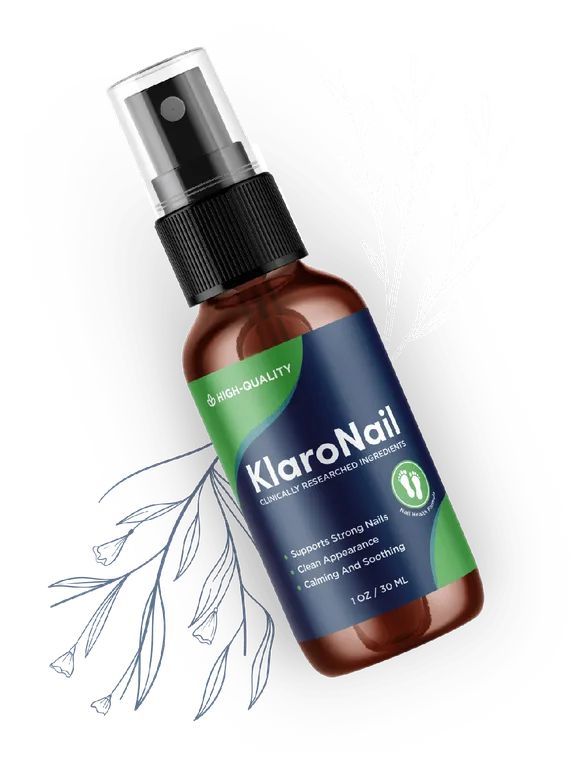
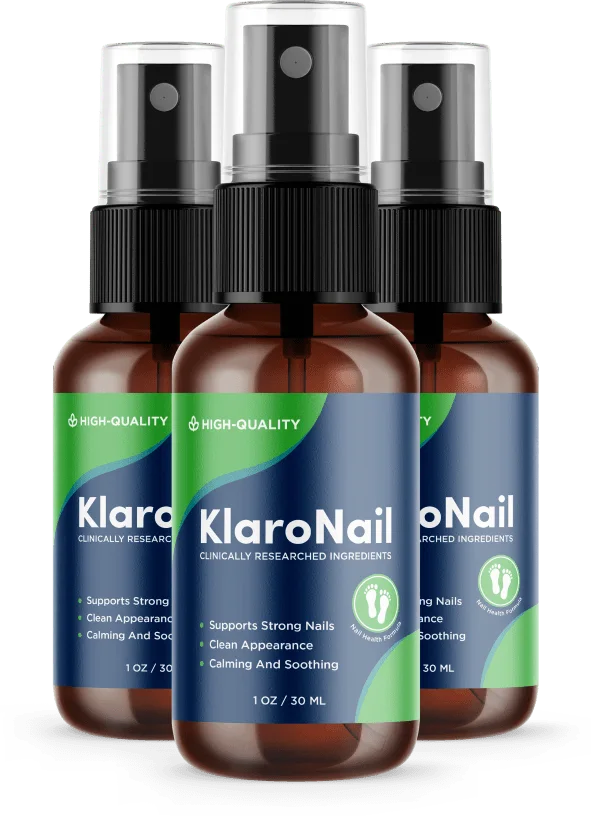
- KlaroNail's label asks for four applications a day; skipping days is what stalls visible progress.
Here is the uncomfortable truth about topical nail products: most people who feel let down by one never gave it a fair trial. They sprayed a thick, dry nail once a day for a fortnight, saw nothing, and stopped. The spray was never the problem. The routine was. Learning how to apply nail fungus spray properly is unglamorous, it takes two minutes, and it is the single biggest thing you control.
A topical can only work on the surface it touches. A discoloured toenail is often thickened, ridged and partly lifted from the bed, and every one of those features is a barrier between the liquid and the place you want it to reach. Get the barrier out of the way and stay consistent, and you have given the product its best possible shot. Ignore the prep and no formula on the market can save you. This guide is the routine we would follow with any nail spray, KlaroNail included.
Step one: soak, then dry completely
Warm water is the cheapest tool you own. A soak of ten to forty minutes softens the keratin of the nail plate and the skin around it, so an oil-based spray spreads and settles instead of beading up and rolling off. Plain warm water is fine; a little mild soap does no harm. This is also the natural moment to clip and tidy, because a softened nail cuts cleanly and a softened cuticle pushes back without tearing.
Then comes the step almost everyone rushes, and it matters more than the soak: dry the foot completely. Towel between the toes, then give the nails a few minutes of air. A wet nail bed dilutes a topical and physically repels an oil, so applying to damp skin wastes half of what you spray. Dry thoroughly first, every single time, and you have already beaten the most common mistake in the whole routine.
Step two: file thick or lifted nails so the spray can reach the plate
If your nail is thick, ridged or lifting at the edge, a spray sitting on top of it has a long way to travel. Gentle filing shortens that distance. Take a clean file to the top surface and thin it down a little; trim the free edge back to a comfortable length; and clear the crumbly debris that collects underneath the tip, because that debris is both a barrier and a place fungus likes to sit.
Three cautions. Use a light hand — the goal is thinner, not painful, and you should stop the moment you feel sensitive skin. Do not share a file between an affected nail and a healthy one, or you can carry the problem from toe to toe. And do not file so aggressively that you break the skin, which turns a cosmetic routine into an infection risk. Done gently, this step is what separates a spray that merely coats the nail from one that actually reaches the plate underneath. If your nails are severely thickened or crumbling, our guide to the common causes of thick, discolored toenails and what actually helps is worth reading before you start.
Step three: how to apply nail fungus spray to every surface that matters
Now the application itself, and the whole point is coverage. A nail is not a flat disc; it is a small three-dimensional object, and a topical only helps the parts it contacts. So aim for three zones, deliberately, on each affected nail:
- The top of the nail plate. A light, even coat across the whole visible surface. This is the easy part and the part everyone already does.
- The free edge, under the tip. Tip the toe up and spray or dab so the liquid runs under the front edge of the nail toward the bed. This is where thickened nails hide the most debris and where a spray-only approach usually falls short.
- The cuticle and side walls. The skin folds around the base and sides of the nail are the growth zone — the newest nail is made here. Coating the cuticle puts the ingredients right where fresh, clear nail will emerge over the coming months.
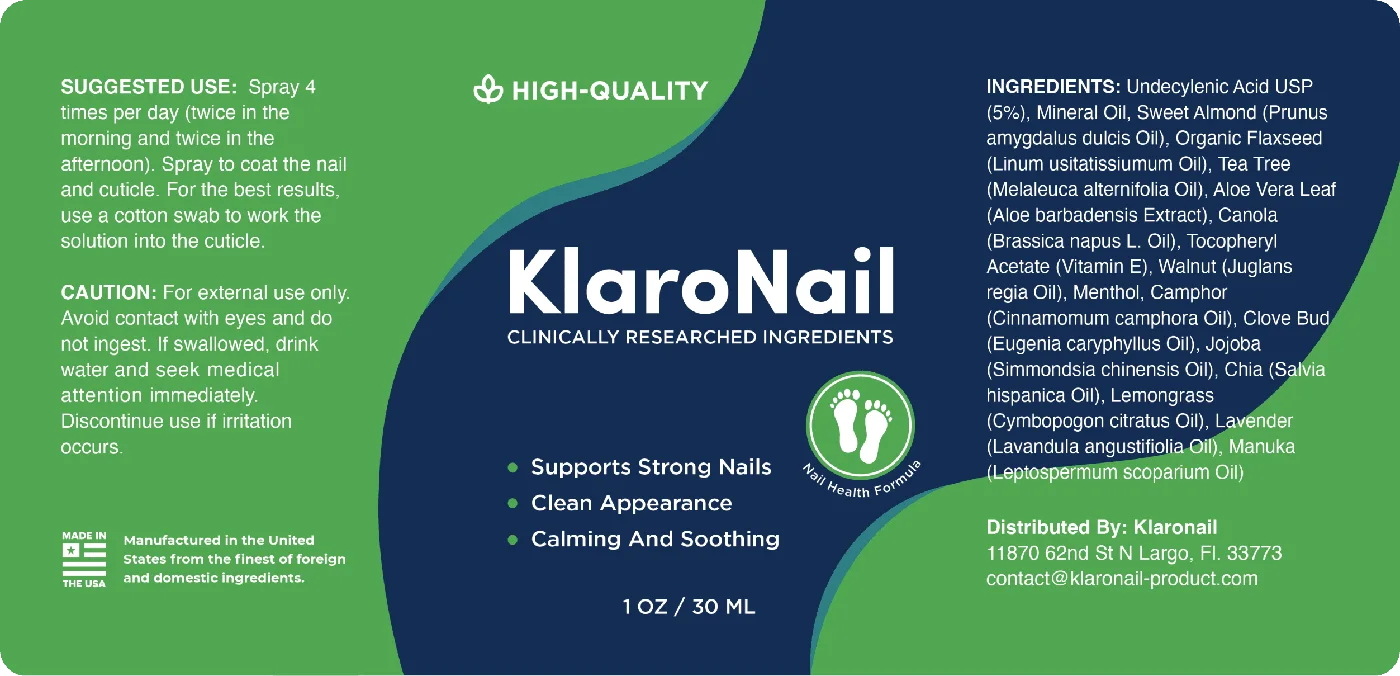
KlaroNail's own directions are explicit about that last zone: after spraying to coat the nail and cuticle, it suggests using a cotton swab to work the solution into the cuticle. That is good advice for any topical. A swab drives the liquid into the fold and the side walls far better than a mist alone, and it means less product ends up on the surrounding skin and more where you want it.
How often, and for how long
The KlaroNail label sets the schedule: four applications a day, described as twice in the morning and twice in the afternoon. It does not print a spray count per application, so the honest reading is to treat four sessions a day as the target and to coat the nail fully at each one. Let each application dry for a minute or two before you pull on socks, so it is not immediately wiped off.
Now the part that decides whether you succeed or quit: duration. Toenails grow slowly, roughly one millimetre a month, and a big toenail can take twelve to eighteen months to fully grow out and replace itself from base to tip. That single fact reframes everything. You are not waiting for the existing damaged nail to transform; you are waiting for new nail to grow in clear and push the old growth forward. That takes months, not weeks, and it is why a two-week trial tells you nothing at all. We laid the full picture out in our month-by-month toenail fungus treatment timeline, and it is the piece to read if you are tempted to give up early.
So the real routine is short and boring: soak, dry, file if needed, coat three zones four times a day, dry before socks, and keep going for months while new nail grows in. Consistency beats intensity every time. Four half-hearted days followed by three missed ones will lose to four reliable days every week for six months, and it is not close.
Start the routine with the spray it is built around
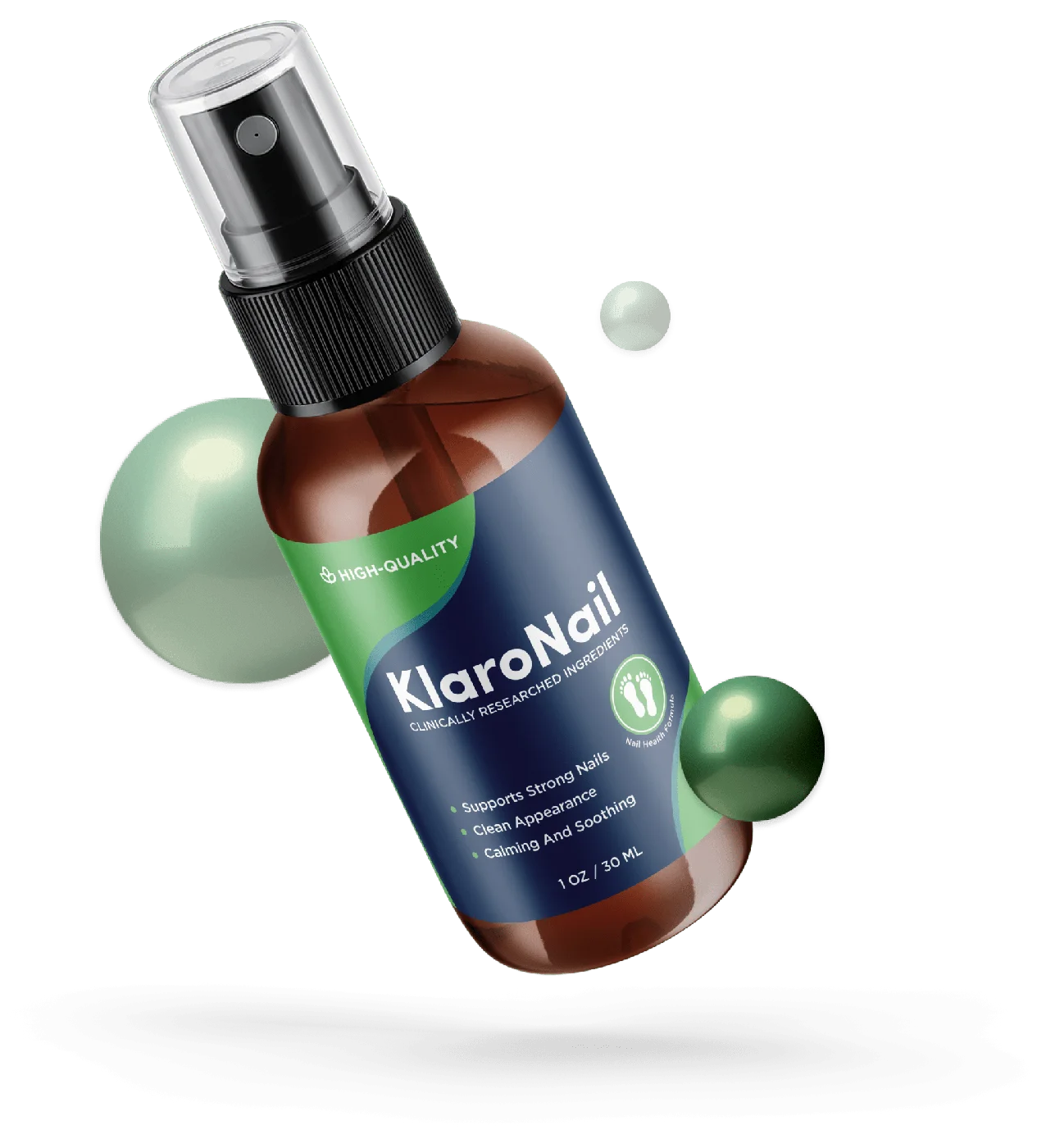
KlaroNail is a topical nail and cuticle spray with undecylenic acid at 5% and a fine-mist pump, four applications a day, backed by a 60-day money-back guarantee.
Order NowThree objections, answered honestly
“I have been using it and nothing is happening, so it does not work.” Check the calendar before you check the nail. If it has been two, three, even six weeks, you are looking at the same old nail you started with, because new nail is only a millimetre or two further along. The first place any change shows is at the base — a strip of clearer, smoother nail growing in. That is the signal to watch for, and it takes months to become obvious.
“If a little helps, drenching it must help more.” It does not. Once the nail and cuticle are coated, extra liquid simply runs onto the surrounding skin and off the toe. It wastes product and, with a botanical- and menthol-rich formula, over-application can leave the skin irritated. A clean, complete coat four times a day is the whole job. Intensity in a single session cannot buy back a missed week.
“A spray can't possibly get under a thick nail.” On its own, often not — which is exactly why steps one and two exist. Soften with a soak, thin the plate and trim the edge, clear the debris underneath, then apply. Prep is what turns a surface coat into real contact. And set expectations honestly while you are at it: KlaroNail is a cosmetic nail and cuticle spray, not a medicine, so severe, painful or spreading nails are a reason to see a clinician, not to spray harder.
Where KlaroNail fits
KlaroNail is a 1 oz / 30 ml topical spray whose label leads with undecylenic acid at 5% — a castor-derived fatty acid long used in nail-care products — followed by carrier oils and a set of botanicals including tea tree, manuka and clove bud. It is presented as a cosmetic that supports the appearance of strong, clean nails, not as an antifungal drug, and this site follows the printed label rather than the marketing. If you want the ingredient detail, our breakdown of undecylenic acid at 5%, the only amount KlaroNail prints, is the place to start.
None of that changes the routine. A better formula applied badly still underperforms a plain one applied well. The prep, the three-zone coverage, the four-times-a-day rhythm and the patience to let new nail grow in are what actually move the needle — and they are entirely in your hands.
Frequently asked questions
How do you apply nail fungus spray for best results?
Start with clean, dry nails: soak the feet, dry them fully, and lightly file any thick or lifted nail. Then coat three zones — the top of the nail plate, the free edge under the tip, and the skin around the cuticle. Let it dry before socks or shoes, and repeat every day. With a topical, consistent daily contact matters far more than how much you use in one go.
Should I soak my feet before applying?
Soaking for roughly 10 to 40 minutes in warm water softens the nail and the surrounding skin, which helps a topical spread and settle rather than beading on the surface. The step that people skip and should not is the drying: a wet nail dilutes and repels an oil-based spray, so towel and air-dry thoroughly before you apply anything.
How many times a day should I use KlaroNail?
The KlaroNail label directs four applications a day — twice in the morning and twice in the afternoon — spraying to coat the nail and cuticle, and suggests working the solution into the cuticle with a cotton swab. It gives no spray count per application, so treat four sessions a day as the schedule and coat the nail fully each time.
Should I file my nail before treatment?
Gently, yes, if the nail is thick, ridged or lifted. Filing the top surface thinner and trimming the free edge shortens the distance any topical has to travel to reach the nail bed, and clearing debris from under the tip removes a barrier. Use a light touch, stop if you reach sensitive skin, and do not share files, because that can move fungus between nails.
How long should nail fungus spray dry before putting on socks?
Let the spray dry on the nail before you put on socks. Coat the nail plate, the free edge under the tip and the cuticle, then repeat the routine every day.
Give the routine the months it needs
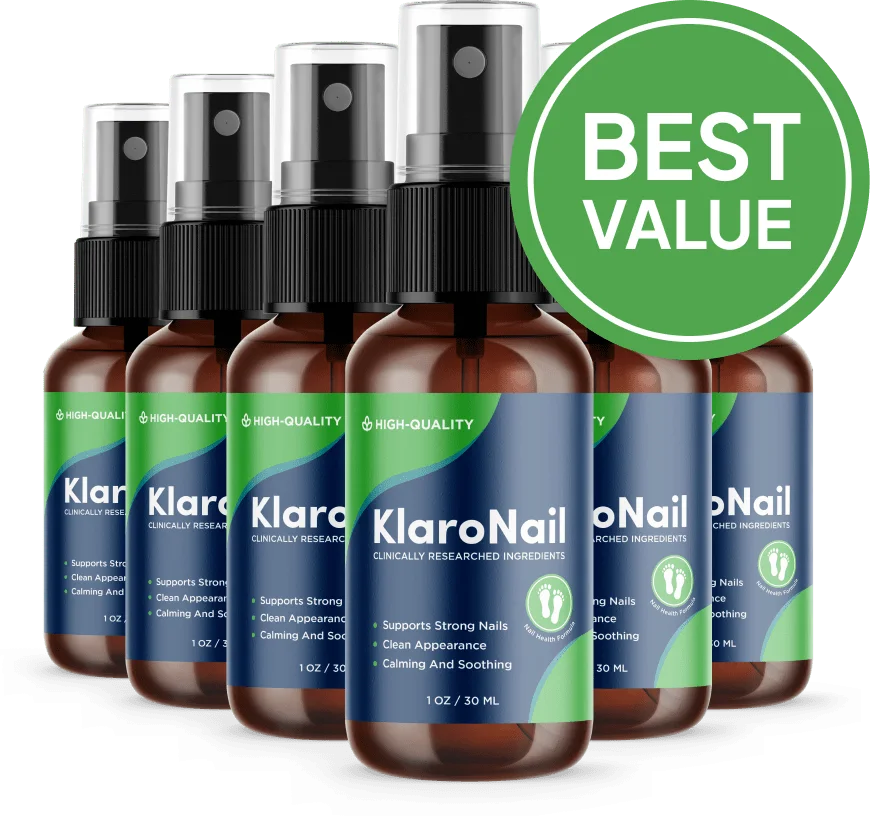
Because new nail grows in slowly, a multi-bottle supply is what carries a topical routine through to the payoff — with free US shipping and a 60-day money-back guarantee.
Order NowReferences
Related reading
KlaroNail Review: Does This Nail & Cuticle Spray Actually Work?
What the label supports, what it does not, and how to judge results honestly.
Toenail Fungus Treatment Timeline: What to Expect Month by Month
Why progress tracks the speed of new nail growth, and when to reassess.
Best Toenail Fungus Spray in 2026: How to Compare Them
The label features and honest claims that actually separate one spray from another.
Thick, Discolored Toenails: Causes and What Actually Helps
Fungus is one cause among several — how to tell them apart and what to do.