Toenail Fungus Home Remedies: Ranked by Evidence
What toenail fungus home remedies actually have evidence?
Among toenail fungus home remedies, tea tree oil and undecylenic acid have the clearest clinical data. Tea tree oil cleared about 18% of cases at six months in one study, and undecylenic acid shows 40 to 60% clearance in mild-to-moderate cases over six to twelve months. Vinegar, Vicks, oregano and garlic have weaker or anecdotal support.
- Best evidence: undecylenic acid, then tea tree oil — both slow, both for early cases.
- Weak or anecdotal: vinegar soaks, Vicks VapoRub, oregano oil, garlic.
- Established, painful or widespread infections need a clinician, not a kitchen cabinet.
Search "toenail fungus home remedies" and you will drown in confident lists that treat a vinegar soak and a prescription antifungal as if they were interchangeable. They are not. Some of these remedies have genuine clinical studies behind them; most have a friend-of-a-friend and a blog post. This article ranks the popular options honestly, from the ones with real evidence down to the ones that are mostly hope — and then it is straight with you about where a formulated topical fits and where you should close the browser and call a professional instead.
Before you rank anything: three ground rules
Every home remedy on this list shares the same three limits, and understanding them upfront saves a lot of disappointment.
- They are slow. A toenail takes nine to twelve months to grow out. Nothing you apply changes the nail you already have; it can only help the new nail grow in cleaner. Any remedy needs months of consistency to judge fairly. We lay out what that looks like week by week in our toenail fungus treatment timeline.
- They are for mild, early cases. A little discolouration at one corner is a reasonable DIY candidate. A thick, crumbling nail infected to the root is not.
- Penetration is the whole game. A thick nail blocks anything you put on it, so filing and thinning the nail first — and applying consistently — matters more than which bottle you choose.
With those in mind, here is the ranking.
Tier 1: Real evidence
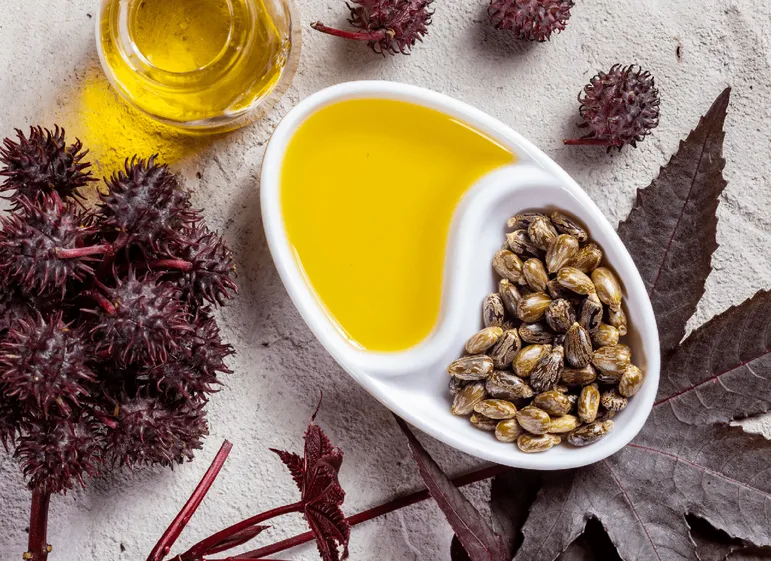
Undecylenic acid. This is the strongest of the accessible options, and it is not a coincidence that it turns up in over-the-counter antifungal products. It is a castor-derived fatty acid that holds a recognised position in the FDA's monograph system for topical antifungals, and studies of mild-to-moderate nail infection have reported clearance in roughly 40 to 60 per cent of cases over six to twelve months of daily use. That is a genuinely respectable number for a topical you can buy without a prescription — with the same caveats as everything here: slow, best on early cases, and dependent on getting it onto a thinned nail. If you want the chemistry and the labelling detail, we cover it in our explainer on undecylenic acid at 5% and what it is.
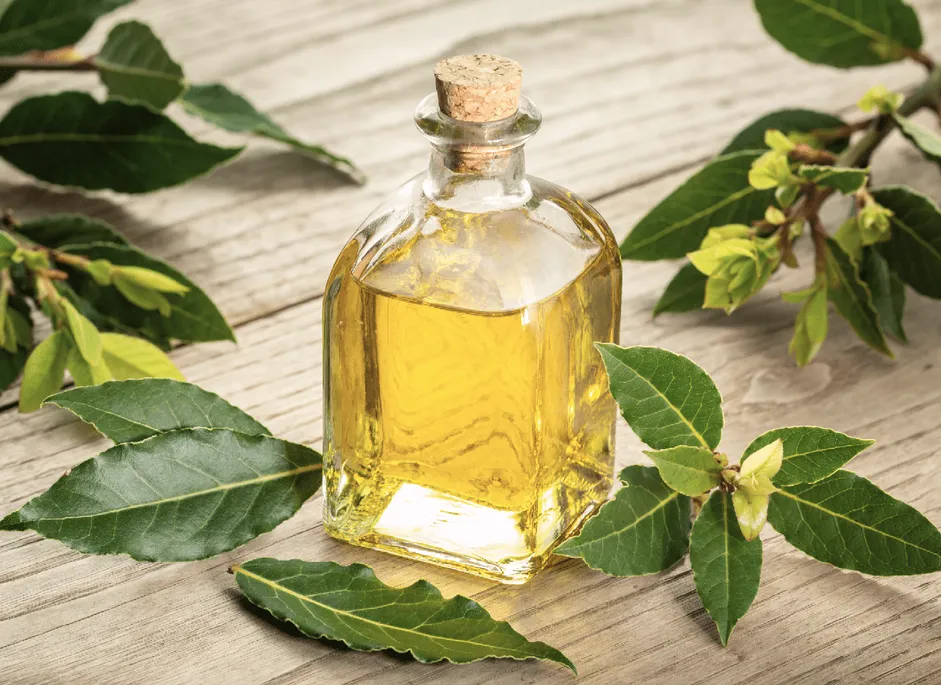
Tea tree oil. The most-studied essential oil for nails, and the only one with controlled trials worth citing. In one commonly referenced study, 100% tea tree oil applied twice daily produced full or partial clearance in a share of patients, with roughly 18 per cent achieving a complete cure at six months — comparable in that trial to a topical antifungal comparator. The honest reading is: real, modest, and slow. Tea tree oil is also a known contact sensitiser for some people and oxidises with age, so a fresh bottle and a patch test matter. Our deeper look at tea tree oil for toenail fungus covers dilution and how to use it without irritating the skin.
Tier 2: Plausible but thin
Vicks VapoRub. The internet's favourite. It contains camphor, menthol, eucalyptus and thymol, several of which have mild antifungal activity in a dish. One small published study found that some participants saw partial improvement after months of daily use, and a minority reported clearance. That is enough to call it "plausible," not enough to call it "effective." It is cheap and low-risk, so as a low-expectation experiment on a mild nail it is defensible — just do not expect the results a real antifungal delivers.
Oregano oil. Rich in carvacrol, which is a potent antifungal in laboratory tests. The problem is that lab activity has never translated into good nail studies, and undiluted oregano oil is harsh enough on skin to cause burns. Interesting chemistry, no clinical evidence on nails, real irritation risk. It sits here on potential alone.
Tier 3: Weak or anecdotal
Vinegar soaks. The theory is that acetic acid lowers the pH enough to slow fungal growth. It can inhibit fungi in a dish, and a nightly soak is harmless, but there is no solid clinical evidence that vinegar cures nail fungus. Consider it foot hygiene with a rumour attached, not a treatment.
Garlic. Allicin has antifungal properties in the laboratory, but applying crushed garlic to skin reliably causes chemical burns and there is no meaningful evidence for nail infection. Skip it.
Baking soda, bleach, hydrogen peroxide, essential-oil cocktails. Popular, unproven, and in the case of bleach genuinely risky. Baking soda may help keep feet dry, which is sensible hygiene, but it is not antifungal in any clinically useful way. The rest range from pointless to dangerous.
Want the Tier-1 ingredient without mixing your own?
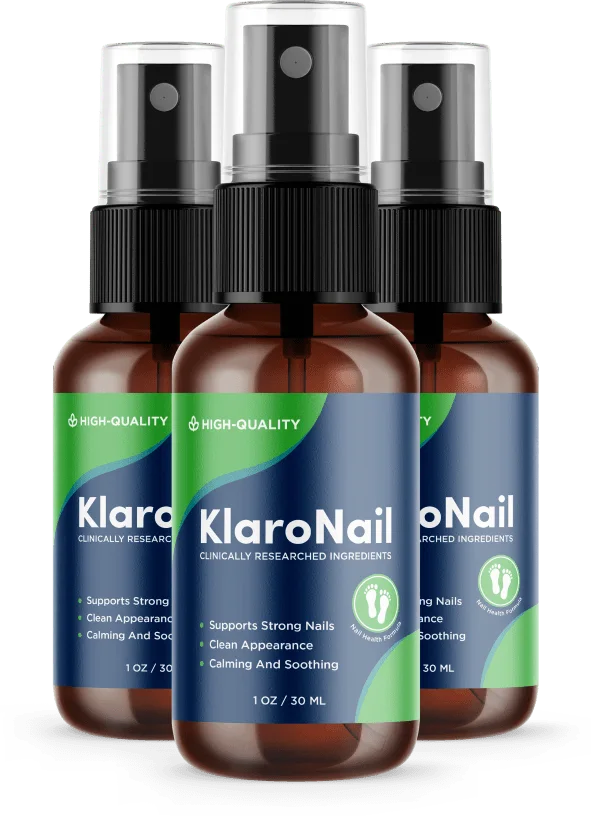
KlaroNail is a cosmetic nail-and-cuticle spray built around undecylenic acid plus tea tree oil — a tidy daily format instead of DIY dabbing. See official-store pricing and the 60-day guarantee.
Check Pricing At The Official StoreWhere a formulated topical like KlaroNail fits
Here is the honest handoff between DIY and a product. The two ingredients with the best evidence — undecylenic acid and tea tree oil — are exactly the sort of thing people try to approximate at home with a dropper bottle and a lot of patience. A formulated topical does two useful things that home mixing does not: it gets the concentration right, and it makes the daily ritual easy enough that you actually keep it up for the many months required. Consistency is the hidden variable that decides whether any of this works, and a convenient format quietly improves it.
KlaroNail is a nail-and-cuticle spray whose label leads with undecylenic acid USP at 5% and also lists tea tree oil among its ingredients — the two Tier-1 items on this page, in a mist you apply up to four times a day. Used on a mild, early nail that you have filed and cleaned first, it is a reasonable, convenient way to run the same play the evidence supports. If you are comparing spray products specifically, our roundup of the best toenail fungus sprays for 2026 puts it in context against the alternatives.
And now the part affiliate pages usually skip. KlaroNail is a cosmetic, not a medicine. Its label carries no Drug Facts panel, it is not FDA-approved, and it is not a treatment or cure for onychomycosis. The clearance figures above describe the ingredients in clinical studies, not a guarantee from this specific product. We think it is a sensible, well-composed option for the mild, cosmetic end of the spectrum and for daily upkeep — and we think you deserve to hear those limits before you buy, not after.
How to run a home remedy so it actually has a chance
Most home remedies "fail" not because the ingredient is useless but because the method was. The same undecylenic acid or tea tree oil that does nothing dabbed on a thick, dirty nail can do real work on a nail that has been prepared properly. If you are going to spend six months on this, spend them well:
- Soak and file first. Ten minutes in warm water softens the plate, then a dedicated file reduces the thickness so whatever you apply can actually penetrate. This single step separates people who see change from people who do not.
- Dry thoroughly, especially between the toes. Fungus thrives in damp, dark warmth. A remedy applied to a wet foot is fighting uphill.
- Apply a thin layer to the nail and the skin around it, and work a little under the free edge where the infection lives. A cotton swab helps.
- Twice a day, every day, for months. Miss days and you hand the fungus its recovery time. Consistency beats intensity every single time here.
- Treat the environment too. Rotate and air out shoes, change socks daily, disinfect files, and never share the same clippers between an infected and a healthy nail. You can clear a nail and re-infect it from your own shoe within weeks.
None of that is glamorous, and none of it is optional. A mediocre remedy applied with this discipline will out-perform the best remedy applied casually.
Reading the clearance numbers honestly
It is worth being clear about what those percentages actually mean, because marketing tends to round them up in your head. A figure like "40 to 60 per cent clearance" for undecylenic acid, or "18 per cent complete cure" for tea tree oil, comes from small studies with specific patients — usually mild-to-moderate infections, applied under supervision, measured at a fixed point months out. "Clearance" in a study can mean full cure or significant improvement depending on how the researchers defined it, and real-world results are almost always a little worse than trial results because real people miss applications and start with worse nails.
Two honest takeaways follow. First, even the best home options leave a large share of people unimproved — which is not a scandal, it is just what topical treatment of a hard-to-reach infection looks like. Second, the gap between "some evidence" and "no evidence" is the gap that should drive your choice. Given similar effort, spending your six months on undecylenic acid or tea tree oil is simply a better bet than spending them on a vinegar soak, because two of those three have data and one has a rumour. That is the entire practical value of ranking these by evidence rather than by popularity.
When home remedies stop being enough
The most important skill here is knowing when to stop experimenting. Move past DIY and see a clinician if any of these are true:
- The infection covers most of the nail or has reached the root (the matrix at the base).
- The nail is thick, crumbling or painful, or the skin around it is red and swollen.
- You have tried a remedy consistently for three to six months with no new clean growth at the cuticle.
- You have diabetes, poor circulation, or a weakened immune system — in which case skip home remedies entirely from the start, because a foot infection is a bigger deal for you than for most people.
For confirmed, moderate-to-severe fungus, the treatments with the best evidence are prescription oral antifungals (like terbinafine) and prescription topicals, sometimes with the nail thinned or partly removed by a podiatrist. That is not a failure of home care — it is matching the tool to the size of the job. Home remedies, at their best, are for catching things early.
Frequently asked questions
What home remedy actually kills toenail fungus?
The two with real data are tea tree oil and undecylenic acid. In small studies, 100% tea tree oil cleared roughly 18% of cases at six months, and undecylenic acid has shown 40 to 60% clearance in mild-to-moderate infections over six to twelve months. Both are slow, and both work best on early, mild cases.
Does vinegar or Vicks work on nail fungus?
The evidence is thin. Vinegar soaks are acidic and may slow fungal growth slightly but have no strong clinical support for curing nail fungus. Vicks VapoRub has one small study showing partial improvement in some people. Treat both as low-cost, low-expectation experiments, not reliable cures.
Which is the most evidence-based natural remedy?
Undecylenic acid has the strongest track record of the accessible options, which is why it appears in over-the-counter antifungal products and holds an FDA monograph position. Tea tree oil is the most studied essential oil. Everything else — oregano, garlic, Vicks, vinegar — sits below them on weak or anecdotal evidence.
When do home remedies stop being enough?
Stop relying on them if the infection covers most of the nail, reaches the root, causes pain, or has not improved after three to six months of consistent use. People with diabetes or poor circulation should skip DIY entirely and see a clinician, because foot infections carry more risk for them.
What is the best natural toenail fungus remedy?
Undecylenic acid and tea tree oil have the best evidence among natural options, and both work slowly on early cases. Vinegar soaks, Vicks, oregano oil and garlic are mostly anecdotal.
Run the evidence-backed play, minus the mixing
KlaroNail is a cosmetic nail-and-cuticle spray with undecylenic acid and tea tree oil — four applications a day, 60-day money-back guarantee, official-store pricing.
Order From The Official Store