Brittle Nails Causes and Remedies That Help
What are the main brittle nails causes?
The main brittle nails causes are repeated wet-dry cycles, harsh chemicals, aging, and less often low protein, biotin, iron or zinc. Most brittleness comes from dehydration and everyday wear. Steady hydration, gloves, gentle filing and patience while healthier nail grows out are the habits that help.
- Water is the surprise villain: swelling and drying splits the nail into layers.
- Biotin can help genuinely brittle nails, but only at real doses over several months.
- Cuticle oil and KlaroNail's cuticle spray work by occlusion — locking in moisture, not feeding the nail.
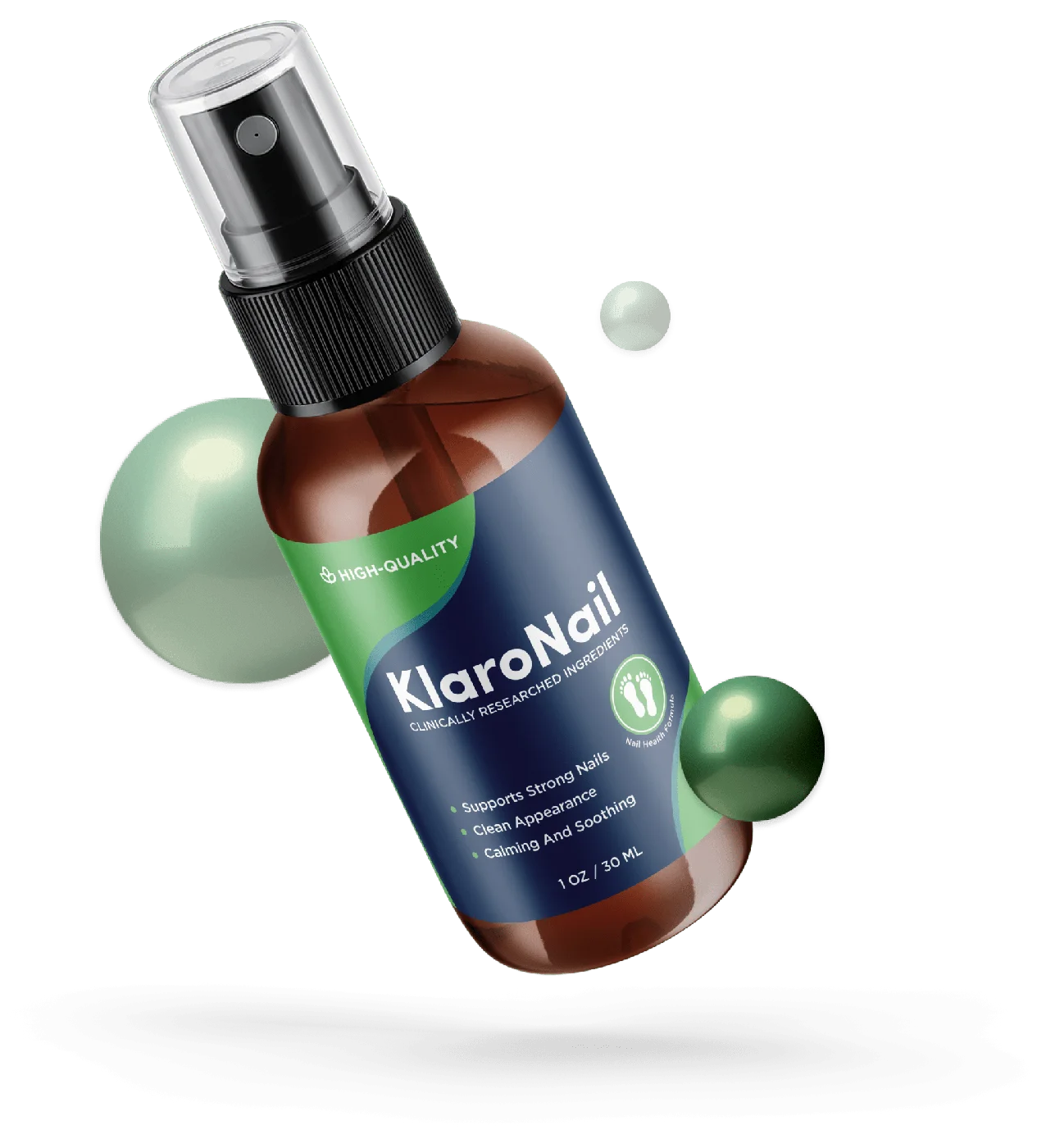
If your nails split at the tips, peel into thin layers, or snap the moment they get a little length, you are not doing anything obviously wrong — and that is exactly why brittle nails are so frustrating. The fix is rarely one dramatic thing. It is understanding what is actually drying and stressing the nail, then removing those stresses and keeping the plate hydrated long enough for better nail to grow in. This guide covers the real brittle nails causes, the remedies that have evidence behind them, and where a daily cuticle-and-nail spray like KlaroNail honestly fits into a maintenance routine.
What brittle nails actually are
A nail plate is built from layers of keratin held together and kept flexible by a small amount of water and natural oils — a healthy nail is roughly 15 to 18 per cent water. When that moisture drops, the layers lose their give. Two patterns follow. Onychoschizia is horizontal splitting and peeling at the free edge, where the layers delaminate like plywood left in the sun. Onychorrhexis is vertical ridging and lengthwise splitting. Most people have a mix. The common thread is a nail that has become too dry and too stiff to bend, so instead of flexing under everyday pressure, it cracks.
That single fact reframes the whole problem. Brittleness is usually not a sign that the nail is under-fed from the inside — it is a sign the nail is drying out from the outside. Which is good news, because outside is where you have the most control.
The real brittle nails causes, ranked
Repeated wet-dry cycles — the number one cause. Every time a nail soaks up water it swells, and every time it dries it shrinks. Do that over and over — dishes, hand-washing, swimming, gel manicures soaked off in acetone — and the constant expansion and contraction pries the keratin layers apart. Hands that are in and out of water all day are the classic brittle-nail hands. This is why the fix that helps most people is boringly simple: wear gloves and stop the cycling.
Harsh chemicals and solvents. Household cleaners, hand sanitiser used dozens of times a day, nail-polish remover (acetone especially), and the solvents in some cosmetics all strip oil and water from the plate. Frequent gel or acrylic manicures compound it, both from the products and from the mechanical filing and soaking involved in removal.
Aging. Nails change with age much as skin does. Fingernails tend to get more ridged and brittle over time, while toenails often thicken. Slower growth also means damage lingers longer before it grows out. Around a fifth of people develop noticeably brittle nails as they get older, and women report it more than men.
Nutrition — real, but overstated. Genuine deficiencies in iron, protein, zinc or biotin can produce brittle, weak nails, and correcting a true deficiency helps. But in a well-fed person eating a normal diet, the odds that a supplement is the missing piece are far lower than the marketing suggests. Iron deficiency in particular is worth checking if you also have fatigue or spoon-shaped nails. For most people, though, the nails are dry, not starving.
Underlying conditions. Thyroid problems, certain skin conditions, and some medications can cause brittle nails. If your nails changed suddenly and dramatically, or the change came with other symptoms, that is a reason to see a doctor rather than reach for a bottle.
Does biotin actually work? An honest answer
Biotin is the supplement everyone mentions, so it deserves a straight answer. The evidence is real but modest and old: a handful of small studies from the 1980s and 1990s found that biotin at roughly 2,500 mcg a day improved nail thickness and reduced splitting in a majority of people with genuinely brittle nails, over several months. That is worth knowing.
But read the conditions carefully. The benefit was seen in people whose nails were actually brittle, not in everyone; the studies were small; and it took months, because you are waiting for new nail to grow. Critically, if your biotin levels are already normal — which they are for most people eating a normal diet — piling on more does very little. Worse, high-dose biotin can skew certain blood tests (including some thyroid and cardiac markers), so it is worth telling your doctor if you take it. Our position: biotin is a reasonable, cheap, several-month experiment for truly brittle nails, not a guaranteed fix and not something everyone needs.
The remedies that genuinely help
Strip away the hype and the list of things that actually move the needle on brittle nails is short, unglamorous, and effective:
- Wear gloves for washing up, cleaning and gardening. This one habit removes the single biggest cause. Cotton-lined rubber gloves for wet work, and warm gloves in cold weather.
- Cut the wet-dry cycling. Pat hands dry rather than leaving them damp, limit long soaks, and give gel manicures a rest if you get them constantly.
- Hydrate the nail and cuticle daily. This is where cuticle oil and hydrating sprays earn their place — more on how they work below.
- File, don't tear. Keep nails on the shorter side, file in one direction to a smooth edge, and never peel or pull a split — you will take healthy layers with it.
- Be patient and judge new growth. The damaged edge you have now cannot be repaired; it can only grow out. Watch the nail near the cuticle, not the tip.
If you want the deeper version of the hydration step, we go into it in our companion piece on Best Toenail Fungus Spray 2026: What to Actually Look For, including how often to apply and why the ritual matters more than the label.
Make daily hydration effortless
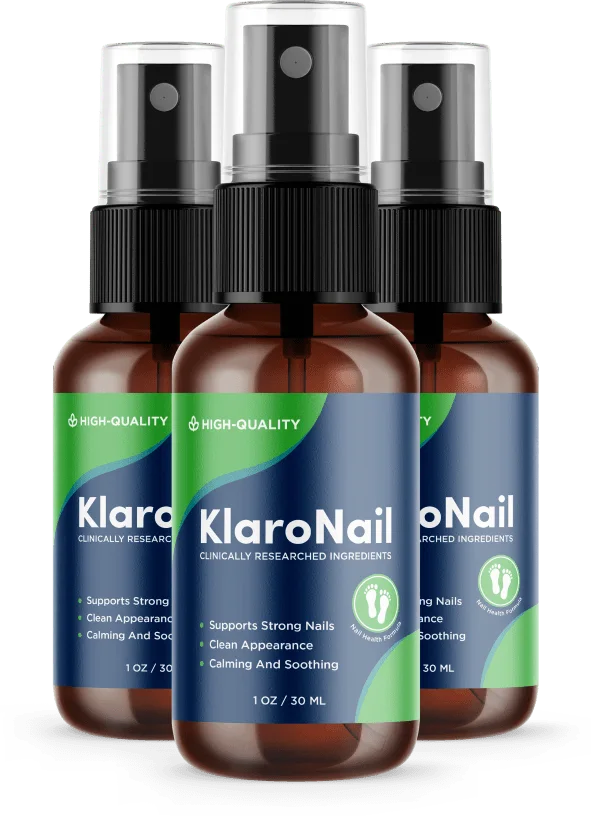
KlaroNail is a cosmetic nail-and-cuticle spray you mist on up to four times a day — no droppers, no mess. See current official-store pricing and the 60-day guarantee.
Check Pricing At The Official StoreHow cuticle oil and a cuticle spray actually work
Here is the part that clears up a lot of confusion. Cuticle oils and hydrating nail sprays do not "feed" the nail through the surface. The nail plate is dead keratin; it does not absorb nutrients like a plant. What these products do — and what they do genuinely well — is occlusion: they form a thin film over the plate and cuticle that slows the evaporation of water. A nail that holds onto its water stays flexible, and a flexible nail bends under pressure instead of snapping.
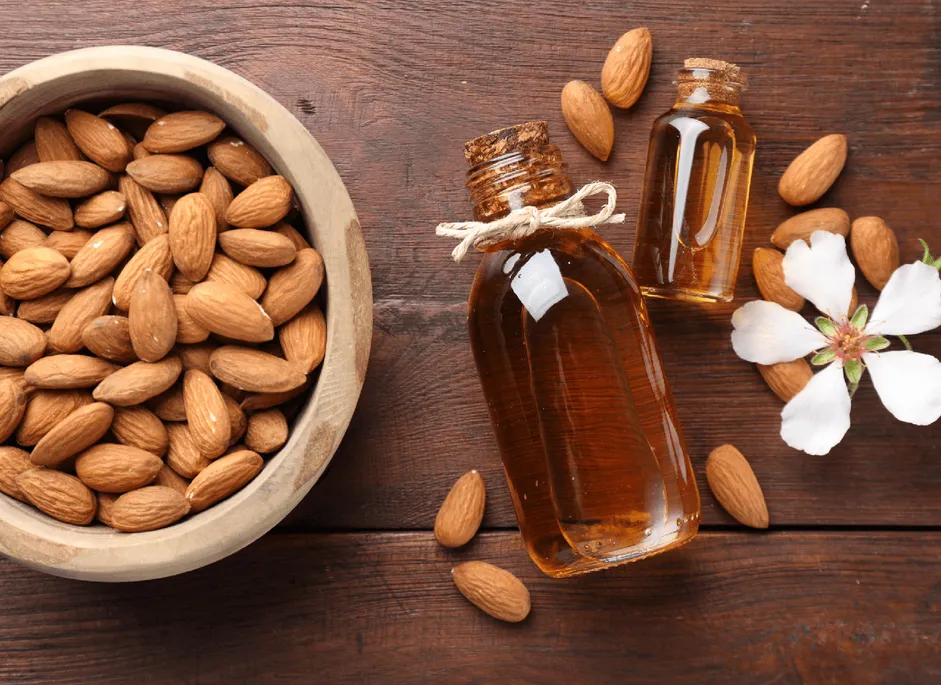
That is why the specific botanical on the label matters far less than the marketing implies, and why consistency matters far more. An almond, jojoba or flaxseed oil all do broadly the same occlusive job. The people who see results are the ones who apply something reliably, every day, for months — not the ones chasing the perfect ingredient. This reframing is liberating: you do not need a miracle oil, you need a habit and a product convenient enough to keep it.
That convenience is where a spray format has a real practical edge. KlaroNail is a nail-and-cuticle spray built around exactly this occlusive idea — a light mist you apply to the nail and cuticle up to four times a day. Its printed label leads with mineral oil and sweet almond oil, both proven occlusives, alongside jojoba, flaxseed and vitamin E. As a piece of daily upkeep for keeping brittle nails and dry cuticles hydrated, misting a spray takes seconds and is far easier to stick with than fiddling a dropper over ten fingers. If you want our fuller, label-first assessment of the product itself, read our full KlaroNail review of whether it works before you buy.
A simple daily brittle-nail routine you will actually keep
Advice only works if you follow it, so here is a routine stripped down to what matters and nothing more. The goal is to remove the drying stresses and lock moisture into the plate, day after day, until healthier nail grows in.
- Morning: after washing, pat hands and nails properly dry, then apply a hydrating oil or a nail-and-cuticle spray. Sealing moisture in right after water is the single highest-value moment of the day.
- Wet work: gloves, every time — dishes, cleaning, hair-washing. This is the habit that removes the biggest cause, and it costs you nothing but the reach for a glove.
- Evening: a second application before bed, when hands are idle for hours and the film has time to work uninterrupted.
- Weekly: file to a smooth, rounded edge in one direction, keep length modest, and resist picking at splits.
- Ongoing: ease off constant gel and acrylic manicures, or at least space them, and give acetone the smallest role you can.
Notice what is not on the list: no exotic ingredient, no expensive treatment, no strengthener. The routine is almost embarrassingly simple, which is exactly why it works — it is easy enough to repeat for the several months a nail needs to turn over. The best remedy for brittle nails is the one you will still be doing in October.
Two practical notes on getting the most from it. Apply to slightly damp — not wet — nails so the occlusive film traps some of that surface water. And treat the cuticle, not just the plate: the cuticle is the living seal at the base of the nail, and keeping it supple protects the new nail forming underneath. A spray makes both of those easy because the mist reaches the whole nail unit at once, rather than being rubbed only where the brush lands.
Two myths worth retiring
Myth: "Nails need to breathe." Nails are not lungs. They do not breathe, and leaving them bare does nothing special. What people are usually sensing is that constant gel-and-acetone cycles damaged the nail — the fix is fewer harsh removals and more hydration, not "letting them breathe."
Myth: "A strengthening hardener fixes brittle nails." Hardeners that contain formaldehyde or toluene sulfonamide can make a nail temporarily stiffer, but a nail that is too hard and not flexible enough becomes more prone to snapping and can worsen brittleness with prolonged use. Flexibility, from hydration, is what you actually want — not maximum hardness. Chase suppleness, not stiffness.
One more honest note on our own product's category. Brittle nails driven by an internal cause — a thyroid issue, iron deficiency, a medication — will not be solved by any topical, ours included. A cosmetic spray helps with the external, dehydration side of the equation. If you have ruled out or addressed the internal side and your nails are simply dry and splitting from wear, that is exactly the situation daily hydration is built for. If you have not ruled it out, start there.
Frequently asked questions
What causes brittle, peeling nails?
The biggest culprit is repeated wetting and drying, which swells and shrinks the nail until its layers separate. Harsh cleaning products and solvents, aging, and low protein, iron, biotin or zinc can all add to it. In most people it is everyday wear and dehydration, not a deficiency.
Does biotin actually strengthen nails?
For genuinely brittle nails, around 2,500 to 5,000 micrograms of biotin a day has shown modest improvement in small older studies, but it takes months and only helps if brittleness is the problem. If your biotin levels are already normal, extra biotin has little to offer and can interfere with some lab tests.
How does cuticle oil help nails?
Cuticle oil works mainly by occlusion — it sits on the nail and cuticle and slows water loss, keeping the plate flexible so it bends instead of snapping. It does not feed the nail through the surface. The benefit comes from applying it regularly, not from any single ingredient.
How long until brittle nails improve?
Hydration changes how a nail behaves within days, but growing out a healthier nail takes time — fingernails replace themselves over about four to six months and toenails over nine to twelve. Judge any remedy on the new growth near the cuticle, not on the damaged edge you started with.
Why do my nails split into layers?
Water swells and then dries the nail, which splits it into layers. Gloves for wet work and steady hydration help while healthier nail grows out.
Give your daily nail routine a spray it will keep
KlaroNail is a cosmetic nail-and-cuticle spray — four applications a day, 60-day money-back guarantee, official-store pricing.
Order From The Official Store