Kerassentials vs KlaroNail: Oil or Spray?
Kerassentials vs KlaroNail: which should you pick?
In Kerassentials vs KlaroNail, both are topical botanical blends built on tea tree and supporting oils. The main difference is format. KlaroNail is a fine-mist spray that is fast and clean across many nails, while Kerassentials is an oil you brush on for precise single-nail use. Pick the routine you will keep.
- Both are topical, botanical and cosmetic — not medicines or FDA-approved cures.
- Spray wins on speed and reach; oil wins on precision, and likes a warm soak first.
- Results track nail growth, about 1mm a month, for either one.
The one thing both products have in common
Before any comparison is useful, it helps to say what Kerassentials vs KlaroNail is not a contest of. Neither product is a medicine. Both are topical botanical blends sold for the appearance and health of the nail and the skin around it, and neither is FDA-approved or a treatment for a fungal nail infection. Any comparison that crowns one as the "stronger cure" has already left the rails. What we can compare fairly is what actually differs day to day: how you apply them, how messy they are, what is inside, and how long either takes to show anything.
Get that framing right and the decision becomes calmer and more practical. You are not choosing a winner in a medical fight. You are choosing between two formats of a broadly similar idea, and the better one is simply the one that fits your hands, your bathroom and your patience.
It is also worth naming the marketing pattern both products share, because spotting it protects your wallet. Botanical nail brands tend to sell on a story — an origin, a hero oil, a founder's discovery — rather than on a stated amount of a recognised active. That story can be charming and still tell you nothing about how much of anything is in the bottle. When you compare Kerassentials and KlaroNail, hold both to the same plain standard: what is the format, what does the printed label actually list, and is the brand honest about the slow, growth-paced timeframe? Judge on those three, and the persuasion on either sales page stops steering the decision.
Application: brush-on oil versus hands-free mist
This is the difference you will feel every single day, so it deserves top billing.
Kerassentials is an oil, applied with a brush or dropper. You place it deliberately on and around each nail, work it into the folds, and let it sit. Oils are unhurried by nature: they spread as a film and take a moment to settle rather than dry. Practitioners of the oil routine often add a step the bottle implies but does not force — a warm-water soak before application, which softens the nail and skin and helps the oil creep into the edges. That soak is a genuine advantage of the format for penetration, and also the reason the oil routine takes longer.
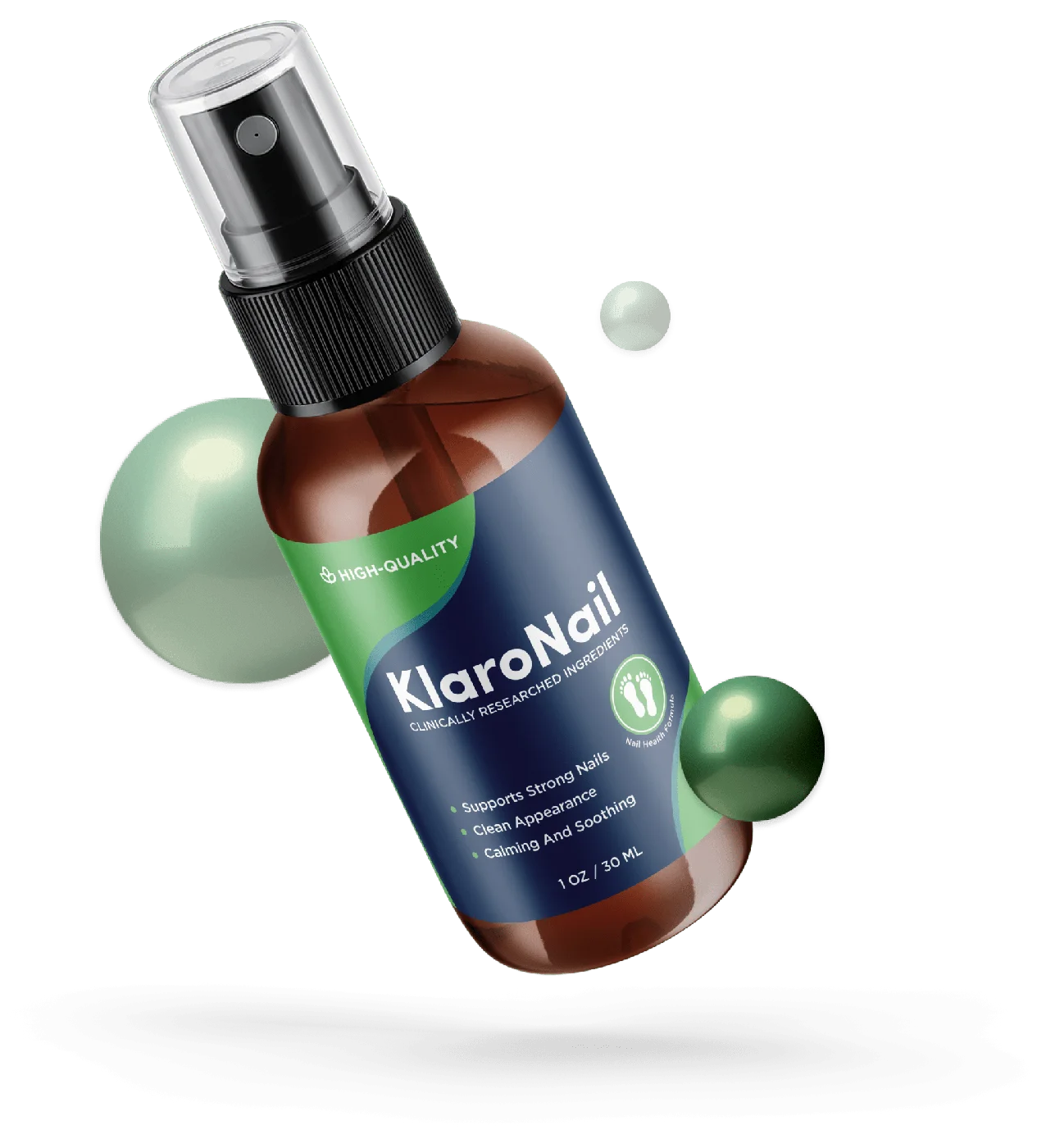
KlaroNail is a fine-mist spray applied four times a day. You point and pump — a few sprays across the affected nails and the surrounding skin — and you are done. No brush to reload, no dropper to aim, no touching an affected nail with a shared applicator, and it dries faster than an oil film. The trade is precision: a mist naturally covers a wider area, which is ideal when several nails are involved and slightly wasteful when only one is. For most people treating more than one toe, the spray is simply the lower-friction habit, and lower friction is what gets a topical used for the months it needs.
| Factor | Kerassentials (oil) | KlaroNail (spray) |
|---|---|---|
| Application | Brush or dropper, per nail | Fine mist, four sprays a day |
| Speed & mess | Slower; oily film; soak helps | Fast; hands-free; dries quicker |
| Best for | Precise, single-nail focus | Many nails and surrounding skin |
| Backbone | Tea tree and botanical oils | 17 ingredients incl. undecylenic acid, tea tree, manuka |
| Timeframe | Months (nail-growth paced) | Months (nail-growth paced) |
Ingredients: where Kerassentials and KlaroNail overlap
Look past the format and the two formulas are cousins. Both lean on tea tree oil as a headline botanical, and both surround it with a stack of supporting plant oils rather than building around a single pharmaceutical active. That shared botanical backbone is why the products smell and feel like relatives even though the bottles behave differently.
KlaroNail's side of the comparison is a 17-ingredient blend that, alongside tea tree, lists undecylenic acid — a castor-derived fatty acid and a recognised nail-care active — plus manuka oil and a long tail of other botanicals. We transcribe the entire panel from the printed bottle, including the four ingredients the sales page leaves off, in our piece on undecylenic acid at 5%, the only amount KlaroNail prints. The blends are not identical, and ingredient lists between the two products differ in the details, but if you were hoping one is "all natural oils" and the other is "chemicals", that framing does not survive contact with either label.
A word on the honey confusion that dogs botanical nail products: manuka oil is not manuka honey, and pages sometimes blur the two. We untangle that, and the rest of the aromatic half of the formula, in our guide to tea tree oil for toenail concerns and how it is used in nail products.

Prefer the faster, cleaner routine?
KlaroNail's fine-mist spray covers many nails hands-free in seconds, with undecylenic acid, tea tree and manuka oil in the blend.
See KlaroNail On The Official StorePenetration and the warm-soak question
Both formats run into the same wall: the nail plate. It is a dense keratin barrier, and no topical — oil or spray — crosses it easily. This is the honest ceiling on either product, and it is why both work best on early, surface-level concerns and around the nail folds rather than on a thick, deeply established problem.
Within that shared limit, the two formats play their penetration differently. The oil route leans on the warm soak: soften the nail and skin, apply the oil, and give it time to migrate into the softened edges. It is a slower, more ritualised approach, and for a single stubborn nail that patience can pay off. The spray route trades depth-on-one-nail for coverage-across-many: the mist reaches the folds and surrounding skin of every treated nail quickly, which suits early or multi-nail concerns and a routine you can actually sustain. Neither approach beats the nail-plate barrier; they just make different peace with it.
Timeframe: both run on the same slow clock
Here is where any "which is faster" question dissolves. Results from either product can only appear as fast as the nail grows out — about one millimetre a month, so a full toenail takes the better part of a year to replace itself. That biology is fixed. It does not care whether the active arrived by brush or by mist. A clear new section of nail growing in from the base is a matter of months of consistent daily use for both Kerassentials and KlaroNail alike.
The practical implication favours whichever product you will keep using without resenting it. If a slow, oily nightly ritual with a soak fits your temperament, the oil is fine. If you know you will skip anything that takes more than thirty seconds, the spray's low friction is not a luxury — it is the thing that gets you to month three, which is where any judgement can fairly begin. Our month-by-month toenail treatment timeline sets realistic expectations for either format, and our application guide covers the technique that keeps you consistent.
Three objections, answered
"An oil must be more concentrated than a spray." Not necessarily, and even where it is, concentration is not the bottleneck — penetration and time are. A denser oil that still cannot cross the nail plate has not solved the core problem any better than a mist has. Both formats live under the same ceiling.
"Sprays just evaporate and do nothing." A fine mist does dry faster than an oil film, but "dries faster" is not "does nothing" — the ingredients are deposited on the nail and skin before the carrier flashes off. The spray's real weakness is targeting, not disappearance, and its real strength is that you will actually apply it four times a day.
"If they share ingredients, the cheaper one wins." Price matters, but so do format fit and the guarantee behind the purchase. A cheap product you abandon because the routine annoys you costs more than a slightly dearer one you finish. Buy from the official store either way so a money-back guarantee actually protects a fair trial — the same channel logic we lay out in our KlaroNail versus Kerasal comparison.
So, Kerassentials or KlaroNail?
Choose Kerassentials if you have one problem nail, you like a deliberate nightly ritual, you are willing to do a warm soak, and precision matters more to you than speed. Choose KlaroNail if you are treating several nails, you want a fast, clean, hands-free routine you will keep for months, and you like that its blend adds undecylenic acid and manuka oil to the shared tea-tree base. Both are honest cosmetic topicals; the winner is the one whose routine survives contact with your actual life. For the full read on what the spray does and does not do, see our independent KlaroNail review.
Frequently asked questions
Is Kerassentials or KlaroNail better for nail fungus?
Neither is a cure for nail fungus; both are topical botanical blends marketed for the appearance and health of nails and surrounding skin. The better choice is mostly about format: KlaroNail's fine-mist spray is faster and less messy for covering many nails, while the Kerassentials oil suits precise, single-nail application. Match the format to your routine.
What is the difference between a nail oil and a nail spray?
A nail oil is applied with a brush or dropper, sits on the surface as a film and benefits from a warm soak first to help it spread into the nail folds. A fine-mist spray like KlaroNail is applied hands-free in a few pumps, reaches the edges and surrounding skin easily and dries faster. Oil is precise but slower; spray is fast but less targeted.
Do Kerassentials and KlaroNail share ingredients?
Yes, there is real overlap. Both lean on tea tree oil and a stack of supporting botanicals, and both are built around plant oils rather than a single drug active. KlaroNail's 17-ingredient formula also lists undecylenic acid and manuka oil. The blends are not identical, but the botanical backbone is similar.
How long until Kerassentials or KlaroNail shows results?
Both work on the same clock, because results can only appear as fast as the nail grows out, roughly one millimetre a month. That means months of consistent daily use, not days, before a new clear section of nail is visible. Neither format changes that biology; consistency matters far more than which one you pick.
Is a nail spray faster to use than a nail oil?
A fine-mist spray like KlaroNail covers many nails quickly and stays clean. A brush-on oil like Kerassentials gives more precision on a single nail.
References
Related reading
Try KlaroNail's fine-mist spray
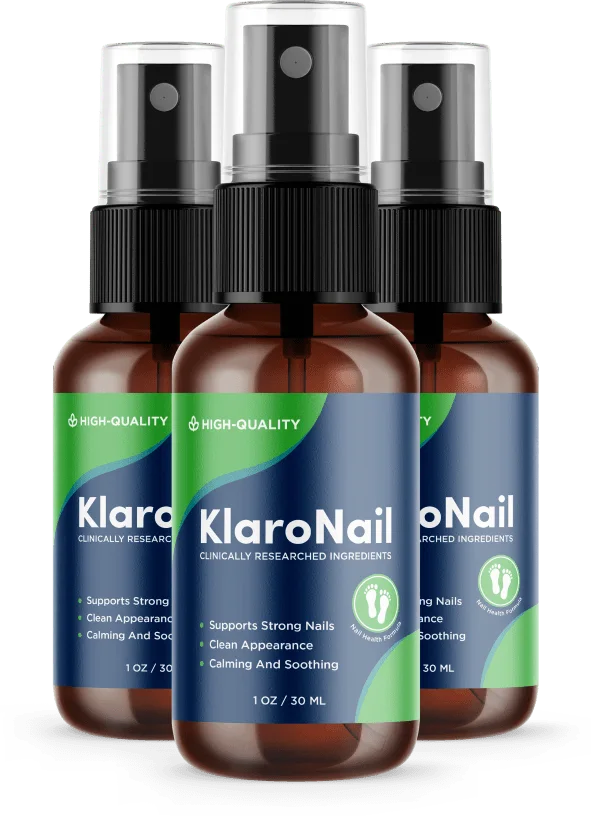
If the faster, cleaner, cover-every-nail routine is the one you will keep, order KlaroNail from the official store — with free US shipping on the best-value tier and a 60-day money-back guarantee.
Order KlaroNail From The Official Store