KlaroNail vs Kerasal: Which Nail Product Fits You?
KlaroNail vs Kerasal — which one is better?
KlaroNail vs Kerasal comes down to what you want from a nail product, because the two are made for different jobs. KlaroNail is a botanical spray built on undecylenic acid, a recognized over-the-counter antifungal ingredient, used 4 sprays a day. Kerasal is a cosmetic renewal gel that improves how a damaged nail looks. Choose by goal, either everyday nail upkeep or quick cosmetic smoothing.
- KlaroNail: 17-ingredient spray, undecylenic acid plus tea tree and manuka oil, 4 sprays a day.
- Kerasal: single-tube gel; the maker reports 90% saw improved appearance at 8 weeks.
- Neither can legally claim to cure onychomycosis — both are non-drug topicals.
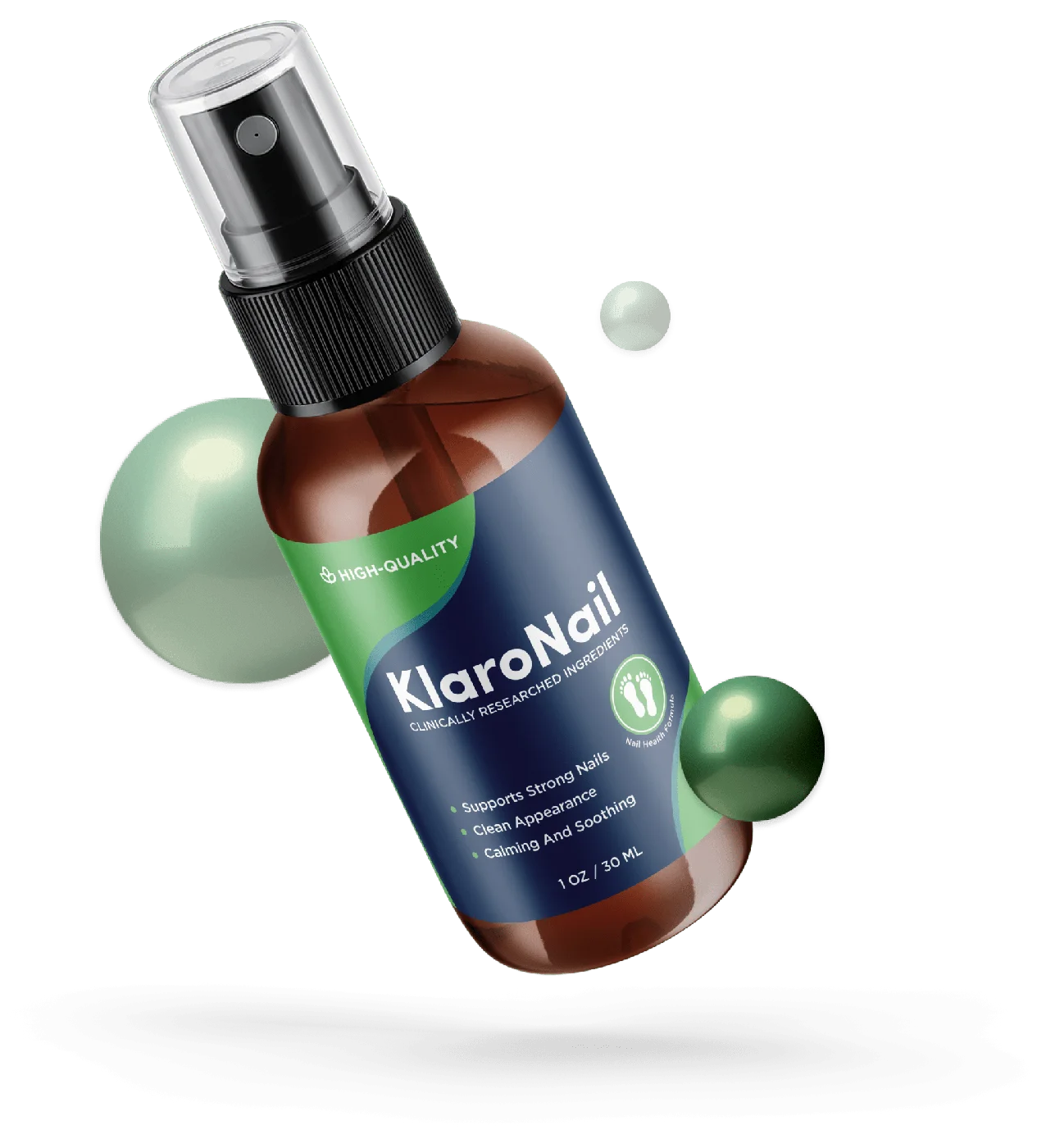
“KlaroNail vs Kerasal” is one of the most common searches people run before buying anything for a discoloured toenail, and it usually starts from a wrong assumption: that the two products are rivals doing the same job, so one must win. They are not. Once you see what each is actually built to do, the question stops being “which is better” and becomes “which matches what I am trying to achieve” — and sometimes the answer is neither, or both. This comparison lays that out plainly, from the labels rather than the marketing.
KlaroNail vs Kerasal at a glance
| KlaroNail | Kerasal Nail Renewal | |
|---|---|---|
| Format | Fine-mist pump spray | Brush-tip gel |
| Core idea | Undecylenic acid (recognised OTC antifungal) plus botanicals | Keratolytic and humectant renewal (urea, lactic acid, propylene glycol) |
| What it targets | Nail and cuticle environment and condition | The look of a damaged nail: discolouration, roughness, thickness |
| Ingredient count | 17 listed, one printed amount (5%) | Short cosmetic list |
| Routine | 4 applications a day | Once daily, typically at night |
| Vendor headline result | Appearance support; no headline stat published | 90% saw improved appearance at 8 weeks (maker's figure) |
| Legal category | Cosmetic (no Drug Facts panel) | Cosmetic |
| Cure claim allowed | No | No |
| Guarantee | 60-day money-back (all bottles returned) | Retailer-dependent |
What each product is really doing
Kerasal: a cosmetic renewal gel
Kerasal Nail Renewal is, and presents itself as, a cosmetic. Its job is to make a damaged nail look better: it uses keratolytic and humectant ingredients — urea, lactic acid, propylene glycol and glycerin among them — to soften and exfoliate the rough, thickened surface, hydrate the plate, and reduce the yellow, uneven appearance. The manufacturer's much-quoted figure is that ninety per cent of users saw improved nail appearance at eight weeks. Read that sentence carefully, because the operative word is appearance. It is a cosmetic-outcome claim, honestly framed, and it is genuinely useful if what bothers you is how the nail looks. What Kerasal does not say — and cannot — is that it kills the fungus or clears an infection. A cosmetic that smooths and de-yellows a nail can leave the underlying organism entirely untouched.
KlaroNail: an antifungal-botanical spray
KlaroNail comes at the same discoloured nail from a different angle. Its lead ingredient is undecylenic acid at a printed 5% — the same castor-derived fatty acid that has a long history in over-the-counter topical antifungal products. Around it sit sixteen more listed ingredients, including tea tree and manuka oil, in a mineral-oil carrier delivered as a fine mist four times a day. The intent is to condition the nail and cuticle and maintain a surface that is less hospitable to the organisms that make a nail look unwell, rather than to buff the existing plate smoother. If you want the detail on that lead ingredient, we go deep on undecylenic acid, the recognised OTC antifungal at the core of KlaroNail, including why 5% is a concentration and not a drug claim.
Crucially, KlaroNail is also sold as a cosmetic. It carries no Drug Facts panel, so despite containing a recognised antifungal ingredient, it is presented and regulated as an appearance product — and, like Kerasal, it cannot legally claim to cure onychomycosis. That symmetry is the thing most “versus” articles get wrong. Neither product is a medicine. They differ in approach to the same cosmetic goal, not in legal status.
One practical consequence of Kerasal's exfoliating approach is worth flagging, because it cuts both ways. Softening and thinning a thickened nail can make it look dramatically better in a matter of weeks — which is exactly why the eight-week figure lands so well — but a cosmetic result that depends on continuous renewal tends to fade if you stop, because you are managing the surface, not the cause underneath it. KlaroNail's conditioning-and-environment approach is slower to show anything, since it rides the pace of new nail growth, but it is aimed at the base of the nail rather than the visible tip. That is the honest trade at the heart of this comparison: faster cosmetic wins on one side, a slower ingredient-led routine on the other, and neither one an actual cure.

Leaning toward the antifungal-ingredient route?
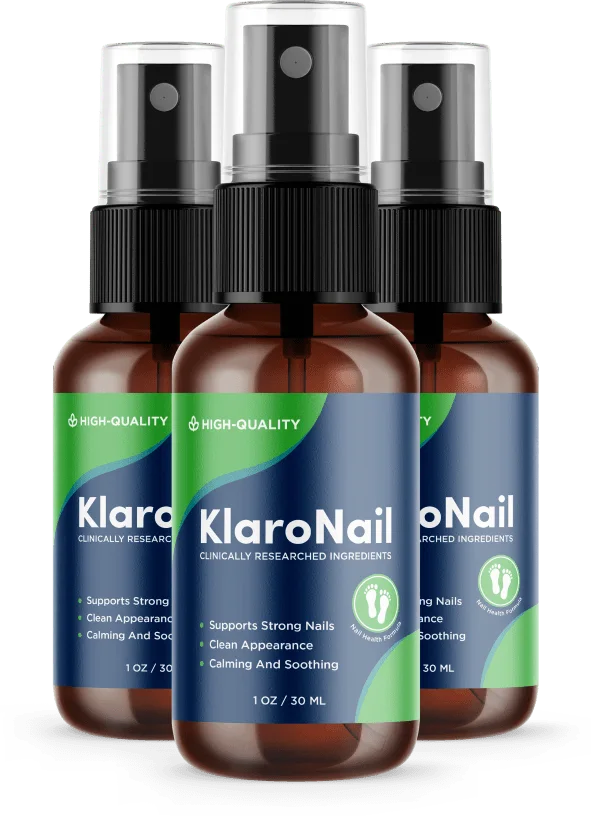
If the undecylenic-acid approach is the one that fits your goal, the official store has current multi-bottle pricing and the 60-day money-back guarantee.
See KlaroNail Pricing & GuaranteeThe claim that trips everyone up
Here is where a lot of buyers go wrong, in both directions. Some read Kerasal's ninety-per-cent figure as proof it cures fungus — it does not; it improves appearance. Others assume KlaroNail must cure fungus because it contains a “real” antifungal ingredient — it does not claim to, because as a cosmetic it cannot. The regulatory line is simple and it applies to both: an over-the-counter product may only claim to cure onychomycosis if it is labelled as a drug, with a Drug Facts panel, a stated active and strength, and monograph wording. Neither of these products carries that. So if a genuine infection is what you are dealing with, the honest advice is the same regardless of which tube or bottle you were about to buy: get it diagnosed. Many yellowed, thickened nails are not fungal at all, and only a clinician can confirm the cause and, if warranted, prescribe something that treats it.
Can you use KlaroNail and Kerasal together?
Because they take different approaches — one conditioning the environment, the other renewing the surface appearance — some people are tempted to run both. It is not an unreasonable idea, but be clear-eyed about it: neither product's label endorses combined use, and the two have not been tested together. If you decide to try it, keep them apart in the day (for instance a morning and an evening slot), patch-test on a small area first, and stop at the first sign of irritation, since stacking a keratolytic gel and a botanical spray raises the odds of sensitivity. The sensible step before combining any two topicals is a quick word with a pharmacist or doctor.
Price: compare the run, not the sticker
On the shelf, Kerasal looks cheaper, and up front it is — it is a single small tube at drugstore pricing. KlaroNail is sold in multi-bottle supplies because, as we explain in our full KlaroNail review and results timeline, a fair trial of any topical in this category is a three-to-four-month project, and a 30 ML bottle lasts roughly a month at four sprays a day. So the KlaroNail ticket is larger, but you are buying the whole run at once. The right way to compare is cost per day across a realistic trial length, not the price of one unit — and on that basis the two are much closer than the sticker suggests. If price alone is driving you, our KlaroNail price and tier guide lays out the per-bottle numbers.
The mistake that wastes either product
Whichever side of the KlaroNail vs Kerasal question you land on, the same two mistakes sink most people, and both are avoidable. The first is quitting early. Kerasal buys you visible improvement faster, but even it is quoted at eight weeks, not eight days; KlaroNail is a full-quarter commitment. Buyers who abandon either at the two-week mark almost never gave the product a chance to do the only thing it can. The second mistake is skipping the diagnosis. A startling share of the “nail fungus” that sends people shopping is not fungal at all — repeated trauma from tight shoes, nail psoriasis, and simple age-related thickening all produce yellow, ridged, crumbly nails that look identical to onychomycosis to the naked eye. If the cause is trauma, a cosmetic gel will smooth it and an antifungal spray will do very little, and you will have blamed the wrong product. Ten minutes with a clinician settles what you are actually dealing with, and it is the single highest-value step in this whole decision — worth taking before you spend on either brand.
So which should you pick?
Choose Kerasal if your priority is the fastest visible cosmetic improvement in a damaged nail — less yellow, smoother, thinner-looking — you want a once-a-night routine, and you are comfortable that it is treating the look rather than the cause. Choose KlaroNail if you prefer an approach built around a recognised antifungal ingredient plus botanicals, you like a quick spray four times a day, and you are willing to give it a full quarter. Choose neither yet if you have not confirmed what is actually wrong with the nail — because the best product in the world is the wrong one if the problem is trauma or psoriasis. And if you are weighing KlaroNail against another undecylenic-acid product rather than a cosmetic gel, read how KlaroNail stacks up against Funginix on undecylenic-acid concentration and format, which is a closer fight than this one.
Decided the spray route is yours?
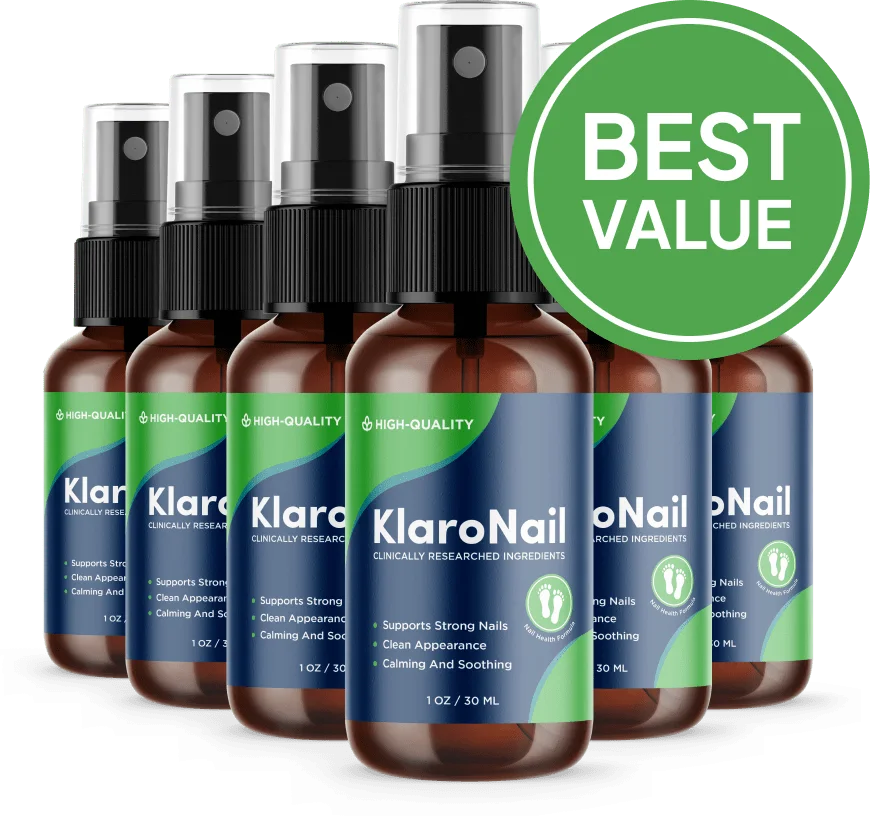
Buy KlaroNail from the official store, where the multi-bottle pricing and 60-day money-back guarantee actually apply.
Order KlaroNail From The Official StoreFrequently asked questions
Is KlaroNail better than Kerasal?
They are not really competitors. KlaroNail is a botanical spray built on undecylenic acid, an ingredient recognised for over-the-counter antifungal use; Kerasal is a cosmetic renewal gel that improves how a damaged nail looks. If your goal is a less hospitable nail environment, KlaroNail fits; if it is smoothing and de-yellowing a nail's appearance, Kerasal does that job.
Does Kerasal kill fungus or just improve appearance?
Kerasal is a cosmetic. The manufacturer reports that ninety per cent of users saw improved nail appearance at eight weeks, which is an appearance claim, not an antifungal one. It exfoliates, hydrates and normalises the look of a damaged nail; it does not claim to kill the fungus or eliminate an infection, and no cosmetic legally can.
Can I use KlaroNail and Kerasal together?
In principle they address different things, so some people layer them, but nothing on either product endorses combined use and neither has been tested with the other. If you do try it, separate them by time of day, patch test first, and stop if there is any irritation. Ask a pharmacist or doctor before combining topical products.
Which is cheaper, KlaroNail or Kerasal?
Kerasal is a single small tube sold at drugstore prices, so its up-front cost is lower. KlaroNail is bought as a multi-bottle supply because results are a multi-month project, so the ticket is higher but the per-day cost is comparable. Compare cost over a realistic three-to-four-month run, not by the sticker on one unit.
What is the difference between KlaroNail and Kerasal?
KlaroNail is a 17-ingredient spray with undecylenic acid, tea tree and manuka oil. Kerasal is a single-tube cosmetic gel that improves how a damaged nail looks.
Related reading
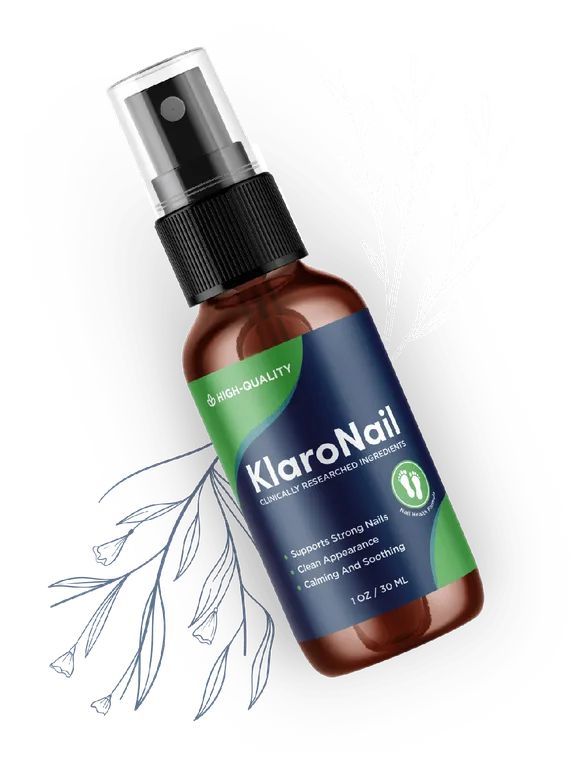
KlaroNail Review 2026: Does This Nail Spray Work?
A label-first review with the realistic results timeline and the guarantee read closely.

KlaroNail vs Funginix: Undecylenic Acid Compared
Spray-and-go versus brush-on, and 5% versus 10% — a much closer fight than the cosmetic gels.
Best Toenail Fungus Spray 2026
How the leading sprays compare on ingredient, format and honesty of claims.
Undecylenic Acid at 5%: The Only Number KlaroNail Prints
What the molecule is, where it comes from, and why 5% is a concentration, not a claim.